
Chat with Ava - Your AI Business Consultant

Hi I'm Ava, your AI guide to supercharging your business!
Whether you're already running a business or dreaming of starting one, I'm here to help turn your vision into reality using AI powered freelancers. Share your business goals, and together, we'll create a project that our talented freelancers can bid on. Let's make your vision a reality!
I have a business
I'm starting a business
Something went wrong while sending the conversation to your email. Please try again later.
You can only save your conversation once per hour. Please try again later.
Your conversation is too short. Keep chatting with Ava to enable saving.

Hire expert
Eclipse Developers
for any job
Millions of people use Freelancer.com to turn their ideas into reality.
Trusted by leading brands and startups


Clients rate our Eclipse Developers
4.86 out of 5
from 4,363 reviews
How to hire a great freelance Eclipse Developer
Eclipse is an integrated development environment (IDE) primarily used for Java programming. It offers a wide range of features and capabilities, such as a workspace with an Editor, debugging, and others. As a result, freelance Eclipse developers can be hired to help create, maintain, and troubleshoot any project.
Depending on the project size and additional skillset, some possible tasks that can be performed are setting up Eclipse workspaces, configuring plugins to support project build systems and web services integration, testing code for errors or runtime bugs, writing scripts to facilitate automated tests, and deploying the application.
To hire the best-suited freelance Eclipse developer for your project, you first need to define what your expectations are. Conducting interviews will help identify the right fit for your team. Ask questions about the candidate's technical background and their ability to hit deadlines. Evaluating a portfolio of past projects can also provide insights into their skillset. Depending on the complexity of your project, hourly rates for freelance Eclipse developers typically range between $20 - $50 USD per hour.
Freelancer.com offers you access to a global network of Eclipse professionals who can deliver your projects with affordable cost, quality assurance and fast turnaround time. By hiring an expert through Freelancer.com, you get reliable customer support throughout the entire duration of the project. So start searching now!

Freelancer Enterprise
Company budget? Get more done for less
Use our workforce of 50 million to help your business achieve more.

Freelancer API
50 million professionals on demand
Why hire people when you can simply integrate our talented cloud workforce instead?
How hiring a Eclipse Developer works

1. Post a job

2. Choose freelancers

3. Track progress

4. Pay safely
So what are you waiting for?
Post a project today and get bids from talented freelancers
Showcased work from our freelancers
Get some inspiration from Eclipse projects

Discover More
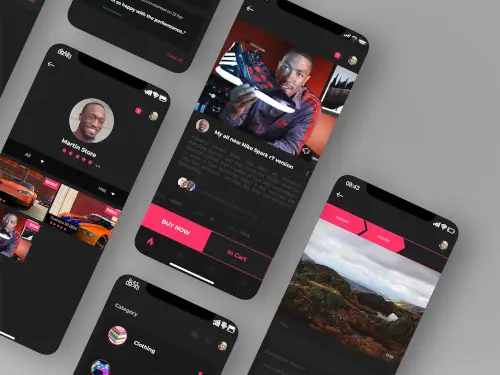
Website Design.
$540 USD in 7 days.
Discover More
App Design.
$100 USD in 1 day.

Discover More
Website.
$430 USD in 1 day.

Discover More
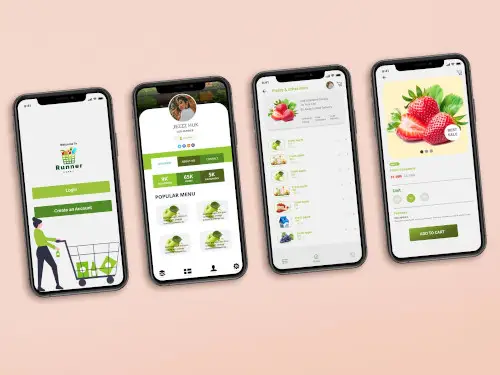
Website Design.
$140 USD in 13 days.
Discover More
App Design.
$200 USD in 19 days.

Discover More
Website.
$150 USD in 13 days.

Discover More
Website.
$240 USD in 1 day.

Discover More
Website.
$100 USD in 1 day.
As featured in


The world's largest marketplace
Millions of users, from small businesses to large enterprises, entrepreneurs to startups, use Freelancer to turn their ideas into reality.
72.7M
72.7M
Registered Users
23.6M
23.6M
Total Jobs Posted
Looking for freelancers for other types of work?
Thanks! We’ve emailed you a link to claim your free credit.
Something went wrong while sending your email. Please try again.



Copy to clipboard failed, please try again after adjusting your permissions.
Copied to clipboard.
Loading preview
Permission granted for Geolocation.
Your login session has expired and you have been logged out. Please log in again.